

By Neal Kerschner
As time passes, the automotive industry is steadily moving more and more towards greener forms of fuel for their vehicles. Fueled by consumer desire for a cleaner carbon footprint and a cheaper way to drive their vehicles, companies are exploring many options for alternative fuels. One of the more popular and successful gasoline substitutes is electricity.
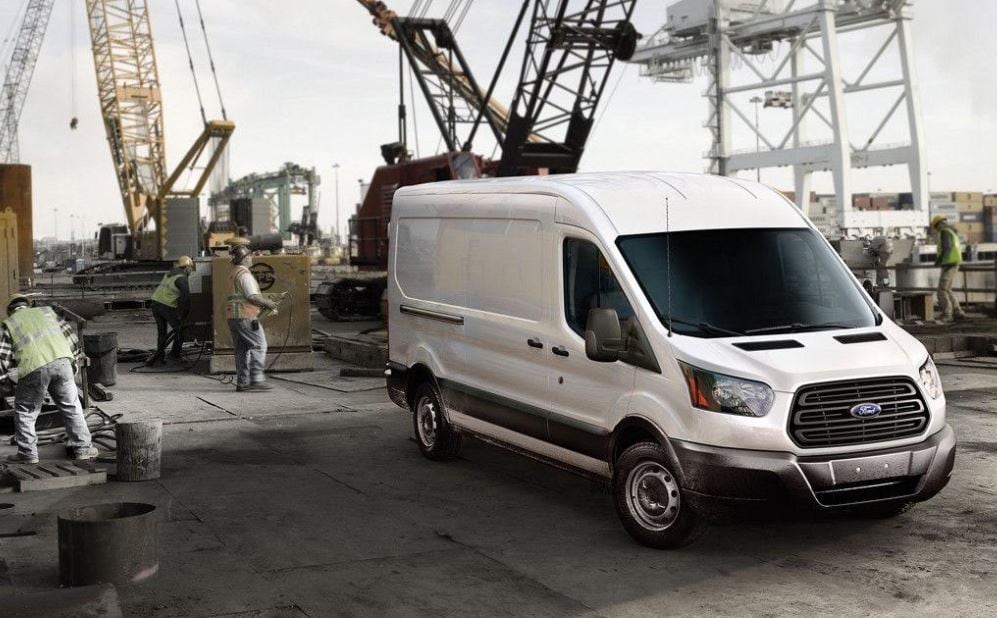
There are many electric cars on the consumer market. Ford, however, has partnered up with the Deutsche Post delivery to manufacture an electrically run delivery van. This will be a very large step in the right direction to make driving as ecologically friendly as it can be. The goal of the partnership is to make the electric vans emission free.
The Ford partnership is a part of a current effort by the automaker to invest in greener transportation in Europe. Ford recently announced that it will open a future mobility office in London. The office will continue Ford’s goals of achieving cleaner emissions and a better carbon footprint.
Many European countries and cities are championing the clean energy push. It makes sense for Ford to invest in this realm. With significant evidence of climate change resulting from vehicle emissions, many automakers and customers are trying to become more Earth friendly. Ford being at the heart of this transformation in Europe is important, especially because they are taking a leadership role in the construction of a fleet of electric transport vans.
Ford will be working directly with StreetScooter GmbH, who is a subsidiary of Deutsche Post, to build the vans. Each party will bring a piece to the table; Ford will provide its Transit van for the construction, and StreetScooter will construct the batteries. The pair will begin construction of the electric vans in July. It is Ford’s goal to construct 2,500 of the vans by 2019.
With the changes that automakers are bringing to the industry, it is especially innovative that Ford is bringing an electric transport van to the table. This innovation, especially if other countries and manufacturers catch on, can make a dent in the carb emission levels, as it reduces the amount of gas using delivery/transport trucks and vans on the road.
Categories:
Green